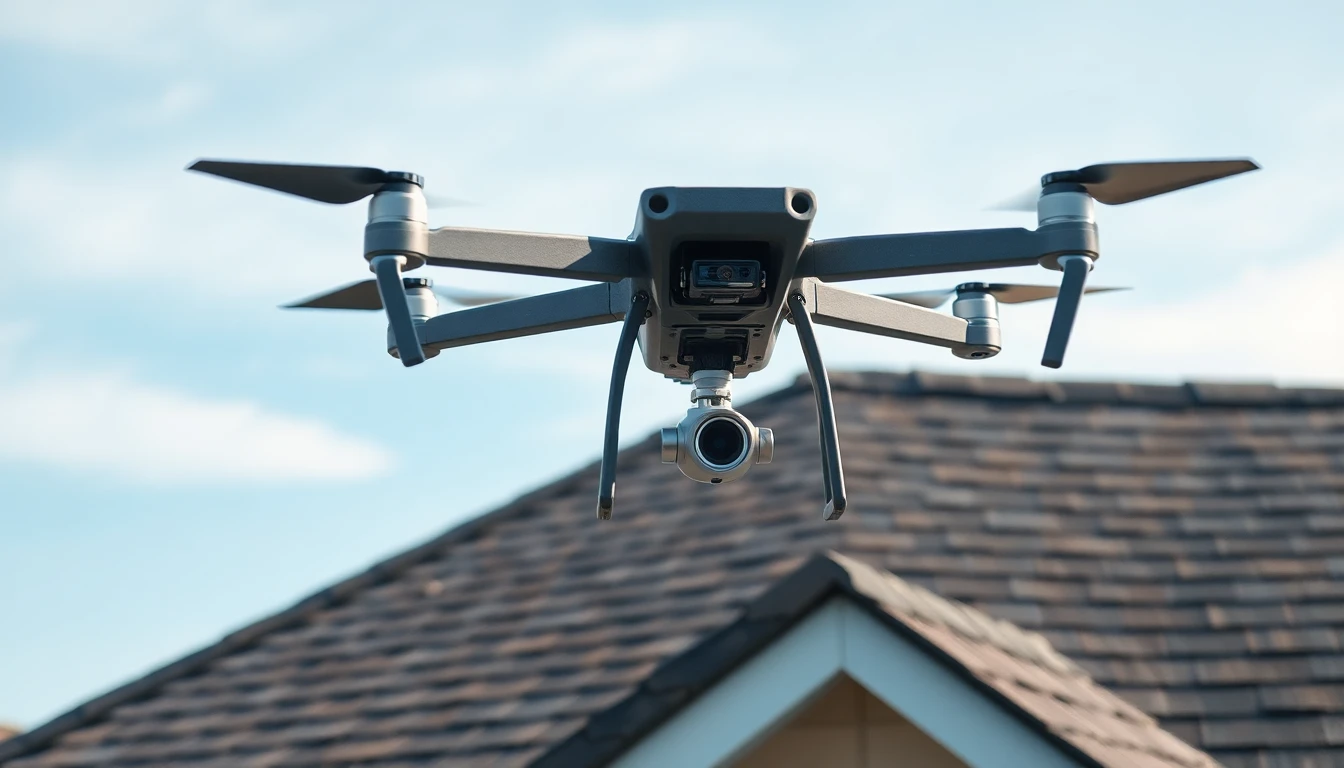
Imagine your insurance company swooping in with a drone before you even get a chance to review your claim. The skies are now part of the insurance process.
Opening scene: The quiet before the storm
It’s a bright Monday morning, and you notice a few shingles missing after last week’s storm. You grab your phone, ready to file a claim, expecting a straightforward process. But little do you know, in the background, a quiet drone is already circling above your roof, capturing every shingle and crack from angles you can’t see. It’s part of a new wave of technology that’s transforming how insurance companies assess damage—and it’s not always what you expect.
For many homeowners, the idea of a drone inspecting their roof might seem intrusive or even a bit sci-fi. But behind the scenes, this high-tech surveillance is changing the game—sometimes in ways that benefit you, and sometimes in ways that make you wonder what’s really happening above your head. The big question is: Are these drones helping or hurting your chances when you file a claim?
The hidden crash behind your ‘perfect’ roof inspection
At first glance, you might think that drones are just a modern tool for quick, efficient damage assessments. And in many cases, they are. They can provide detailed images of your roof’s condition much faster than a traditional inspector climbing a ladder, especially in bad weather or hard-to-reach areas. But here’s the twist—these drone inspections are also giving insurance companies unprecedented access to your home’s condition, sometimes even before you’ve had a chance to report the damage.
Some homeowners have experienced a surprise inspection days or even weeks before they officially submit a claim. This raises a question: Are insurers using drones proactively to catch damages early and deny claims? It’s a possibility that’s sparking debate. On one hand, proactive inspections can prevent fraudulent claims and ensure fair pricing. On the other, they can give insurers a secret advantage—spotting damage you might not even have noticed or that isn’t severe enough to prompt a claim yet.
Why your roof is now a battleground for insurance claims
So, why are insurance companies increasingly turning to drones? The primary reason is efficiency. Drones can survey multiple roofs in a fraction of the time it takes a human inspector. They can also access steep or maze-like roofs with ease, capturing high-resolution images from angles that would otherwise require expensive equipment or dangerous ladder work.
But the real wake-up call is the impact on claim approvals. When insurers have drone footage, they often analyze it with advanced AI algorithms that can detect even minor damages—cracks, dents, or missing shingles—down to the millimeter. And here’s where it gets interesting: these detailed inspections can lead to claim denials or reductions—not because your roof is in perfect shape, but because the damage is deemed minor or insufficient for a payout.
It’s a paradox: the more detailed and precise the inspection, the easier it becomes for insurers to find reasons to deny claims. Some experts warn that this technological transparency might tip the scales unfairly against policyholders, especially if you’re unaware of these drone inspections happening behind the scenes.
How you can outsmart the drone and protect your claim
Now, before you panic or feel powerless, here’s the silver lining: understanding how these drone inspections work can give you an edge. There are simple steps you can take to ensure your claim isn’t unfairly minimized or denied.
First, keep detailed records of your roof’s condition. Photos, videos, and even a written log of damages can serve as proof if a drone inspection uncovers minor issues. It’s also advisable to schedule a professional inspection yourself—sometimes, having a certified inspector’s report can counteract overly critical drone analyses.
Second, be proactive. If you notice damage, don’t delay filing your claim. The longer you wait, the more likely a drone inspection will automatically trigger. Address issues swiftly and document every step.
Finally, consider installing a few discreet cameras or sensors on your roof if you live in an high-risk area. Though it might sound excessive, capturing your own footage of the roof’s condition can be an invaluable backup—an insurance against an overly aggressive drone inspection or a false negative.
Related articles for further insight
➡️ A simple trick Australian gardeners swear by to keep possums out of their veggie patch
➡️ RBA April Rate Decision: Three Scenarios for What Happens to Your Mortgage
➡️ Woman Finds New Zealand Hospital Bill Is Over $100K After Emergency Visit as a Tourist
➡️ Why more Australians are wrapping their car keys in aluminium foil at night
➡️ Your Neighbour’s Tree Is Blocking Your Light: Here’s What You Can Legally Do
➡️ How Much Super You Actually Need to Retire at 60 Under the New Rules
➡️ If someone avoids these 8 topics in conversation, they probably grew up lower middle class
➡️ Aussie Retail Chain to Close All Stores After 27 Years
What the experts say about drone inspections and insurance fairness
“Drones are revolutionizing property inspections, but transparency and regulation are essential to ensure they protect consumers rather than exploit vulnerabilities,” explains Dr. Emily Carter, a technology and insurance researcher.
“While drones can speed up damage assessments, homeowners need to be aware of their rights and consider supplementary documentation to avoid unfair claim denials,” says insurance claims specialist Mark Jensen.
Key takeaways for homeowners facing drone inspections
- Document your roof’s condition regularly with photos and videos.
- Act quickly when damages occur—early claims may prevent invasive drone scrutiny.
- Consider installing your own cameras or sensors to record your roof’s state over time.
- Review your insurance policy for clauses related to drone inspections and claim disputes.
- Stay informed about technological advances in insurance practices in your area.
Reflecting on the balance between innovation and fairness
Technology like drones has undeniably improved the speed and accuracy of damage assessments, which can be a relief for homeowners. But with progress comes new challenges—particularly around transparency and fairness. As a homeowner, understanding that your roof might be under constant surveillance—even when you’re not aware—can feel unsettling. Yet, knowledge is power.
By staying proactive, keeping detailed records, and knowing your rights, you can navigate this brave new world of drone-inspected insurance claims. Remember, a simple step today can make a significant difference tomorrow. It’s not about fighting technology but about ensuring it works for you, not against you.
| Key Point | Detail | Benefit/Interest for Reader |
|---|---|---|
| Proactive documentation | Regular photos and videos of your roof | Provides evidence when facing drone inspections |
| Timely action | Report damages early | Reduces risk of automated drone scrutiny |
| Additional recordings | Install personal cameras or sensors | Backs up your claim with independent proof |
| Stay informed | Review policy clauses and local tech trends | Empowers you to defend your claim effectively |
| Understand rights | Know what to expect from drone inspections | Prevents unfair claim denials and surprises |
FAQ :
- Are drone inspections always used for claims? No, insurance companies may use drones proactively to assess damage or verify claims after they are filed, depending on their policies and technology adoption.
- Can I refuse a drone inspection? Generally, insurers have the right to inspect your property, but laws vary by region. It’s best to review your policy and consult a legal expert if unsure.
- How can I prepare for a drone inspection? Keep a recent record of your roof’s condition, install personal monitoring devices if possible, and communicate clearly with your insurer about any concerns.
- Does a drone inspection guarantee claim approval? Not necessarily. It provides detailed data that could either support or complicate your claim, depending on damages found.
- Is there regulation around drone use in insurance? Yes, but it varies widely. Some regions have strict rules, others are less regulated, making it important to stay informed about local laws.