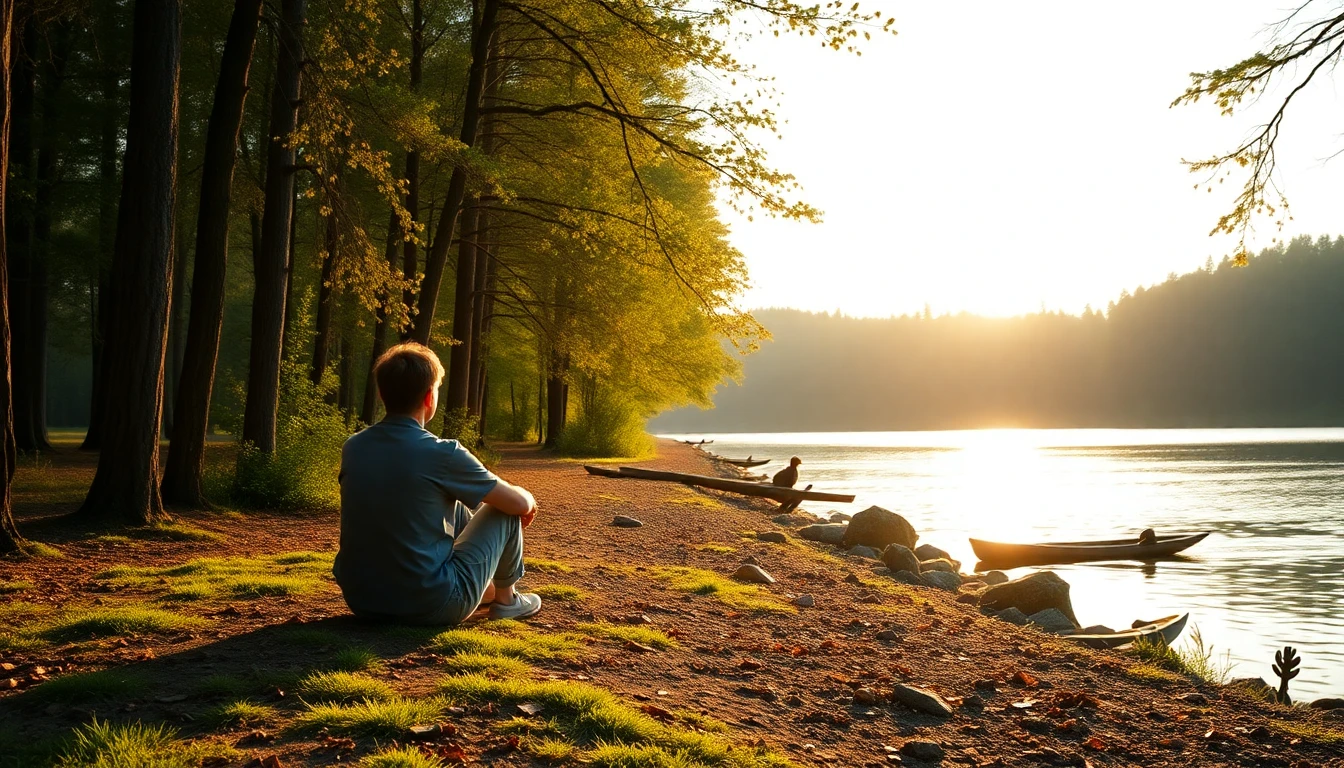
Ever wondered why some people seem perfectly content in silence while others thrive on constant chatter? The truth might surprise you.
Imagine a quiet corner in a bustling café. While most are engaging in lively conversations, a few prefer to sit alone, immersed in their own world. It’s easy to dismiss solitude as loneliness or introversion, but recent psychological insights reveal that choosing solitude over socializing isn’t just a personality trait — it can be a gateway to some rare and powerful advantages.
In a society that celebrates extroversion and constant connection, those who favor solitude often feel misunderstood or even guilty. But what if this quiet choice actually offers benefits you’ve never considered? Today, we’re diving into the hidden strengths of people who prefer being alone and how embracing this preference can transform your life in unexpected ways.
Why do some people prefer solitude over socializing?
Many assume that being social is synonymous with happiness, but psychology tells a different story. Some individuals find social interactions draining, especially after a busy day or in unfamiliar environments. Others simply enjoy the peace, reflection, and focus that come with solitude. It’s not about avoiding people — it’s about choosing the quality of your mental and emotional space.
Research suggests that introversion, or a preference for solitude, isn’t a flaw but a different way of experiencing the world. These individuals often have heightened self-awareness, deeper thinking patterns, and a unique set of strengths that aren’t as visible in extroverted personalities. The real question is: what are these rare advantages, and how can they serve you?
The 12 rare advantages of preferring solitude, according to psychology
Let’s explore the surprising benefits that come with choosing to spend more time alone. You might find some of these resonate with your experience — or even inspire you to lean into your solitude more intentionally.
1. Enhanced creativity and problem-solving skills
When you’re alone, your mind has space to wander, connect ideas, and innovate without distraction. Many creative geniuses, from writers to scientists, have credited solitude for their breakthroughs. Being alone allows for deep focus and the ability to entertain complex thoughts that often get lost in social settings.
2. Improved emotional resilience
Choosing solitude fosters a stronger relationship with oneself. This self-awareness builds emotional resilience, helping you navigate stress and setbacks with calmness. Instead of relying on external validation, you develop inner strength that stays steady even in turbulent times.
3. Greater independence and self-sufficiency
People who prefer solitude tend to rely on their own judgment and resources. This independence isn’t about isolation but about cultivating confidence in your decisions and abilities. Over time, this trait can translate into entrepreneurial success, leadership, and self-motivated growth.
4. Better focus and productivity
Without constant interruptions, solitary individuals often achieve higher levels of productivity. Deep work becomes easier, enabling complex projects to come to fruition faster. Whether it’s writing, coding, or strategizing, solitude provides an environment where concentration flourishes.
5. Stronger internal values and clarity of purpose
Time alone allows you to reflect on what truly matters. This introspection can clarify your goals, values, and life purpose, helping you make authentic choices rather than following societal expectations. It’s a path to living more intentionally.
6. Increased mindfulness and self-compassion
Solitude encourages mindfulness — a state of being present with your thoughts and feelings. It also fosters self-compassion, as you learn to accept yourself without judgment. These qualities are linked to reduced anxiety and greater overall well-being.
7. Less susceptibility to social conformity
When you’re comfortable alone, you’re less influenced by peer pressure or societal norms. This independence grants you the freedom to think differently, challenge the status quo, and pursue unconventional paths that suit your true self.
8. Better mental health and reduced stress
While social interactions can boost mood for many, they can also be a source of stress. Choosing solitude wisely allows you to recharge mentally and emotionally. It creates a sanctuary where you can process your feelings and recover from daily stressors.
9. Enhanced self-discipline and habit formation
Solo time often involves setting personal boundaries and routines that foster discipline. Whether it’s daily meditation, reading, or exercise, these habits become ingrained when you have the space and time to focus on yourself without external distractions.
10. Increased empathy and listening skills
Spending time alone can also improve your ability to listen and empathize. When you’re not preoccupied with your own social image or needs, you become more attuned to others’ feelings and perspectives — a rare skill in a world obsessed with self-promotion.
11. A greater appreciation for solitude as a valuable resource
People who prefer being alone often see solitude as a gift rather than a punishment. This perspective allows them to recharge and reconnect with their inner selves, leading to richer, more meaningful interactions when they do engage socially.
12. The ability to cultivate authentic relationships
Ironically, choosing solitude can improve your social life. When you’re comfortable alone, you’re less likely to seek validation through superficial interactions. Instead, you focus on meaningful relationships based on mutual understanding and respect.
Are these advantages just for introverts?
Not necessarily. While many of these benefits align with introverted tendencies, they can be cultivated by anyone willing to embrace solitude intentionally. It’s about quality over quantity — prioritizing meaningful reflection and personal growth over constant social input.
The misconception: solitude equals loneliness
Many believe that preferring solitude signals loneliness or social deficiency. But psychology clarifies that solitude is a conscious choice and a healthy one at that. It’s about finding balance — knowing when to connect and when to retreat.
As psychologist Carl Jung famously said, “The shortest road to inner harmony is solitude.” Embracing this truth can help you unlock benefits that most people overlook in their rush to be constantly connected.
The practical lesson: leverage your alone time
Instead of viewing solitude as a passive state, see it as an active resource. Use it to develop skills, reflect on your purpose, or simply enjoy your own company. Small shifts in how you perceive alone time can lead to profound personal growth.
It’s not about avoiding socializing altogether but about recognizing that sometimes being alone is exactly what you need — and what can make your life richer and more fulfilling.
Reflection: what does your relationship with solitude say about you?
Are you someone who shies away from alone time or someone who seeks it out? Understanding your preferences can reveal much about your emotional health, creativity, and independence. Embrace what makes you feel whole — and don’t fall for society’s narrow definition of happiness.
Remember, solitude isn’t a flaw; it’s a feature. Learning to harness its power can be a game-changer, fostering strengths that are rare yet incredibly valuable.
| Key Point | Detail | Benefit/Interest for Reader |
|---|---|---|
| Enhanced creativity | More mental space for innovation | Better problem-solving and idea generation |
| Emotional resilience | Deeper self-awareness | Confidence in facing challenges |
| Independence | Self-sufficient decision-making | Greater personal freedom |
| Focus and productivity | Fewer distractions | Higher quality work output |
| Self-clarity | Reflecting on values and goals | More authentic life choices |
FAQ :
- Is preferring solitude a sign of loneliness? Not necessarily. Many choose solitude intentionally for personal growth, not because they feel isolated or lonely.
- Can solitude improve my mental health? Yes, when balanced properly, solitude can foster mindfulness, reduce stress, and boost emotional resilience.
- Is it possible to develop these advantages if I’m extroverted? Absolutely. Anyone can cultivate these benefits by intentionally spending time alone and reflecting on their inner world.
- How can I start embracing more solitude? Begin with small, intentional periods of alone time, and focus on activities that nourish your mind and soul.
- What if I feel guilty about needing alone time? Remember, self-care isn’t selfish. Giving yourself permission to recharge is essential for overall well-being.