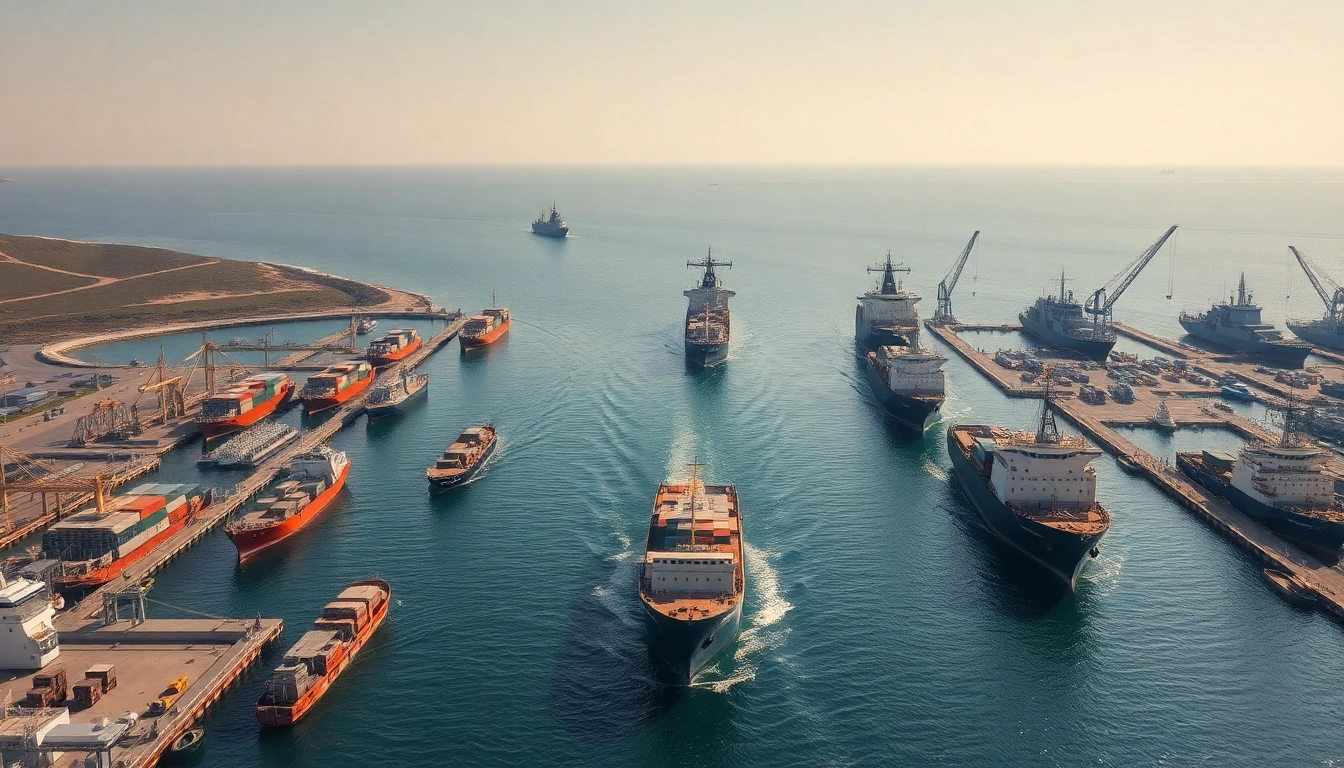
A potential geopolitical storm threatens Australia’s fuel supply, yet many remain unaware of how fragile our energy independence truly is.
Imagine waking up one morning to find fuel stations across the country out of petrol, diesel, and aviation fuel. No, this isn’t a plot from a dystopian novel—it’s a real possibility if the Strait of Hormuz, a tiny waterway at the world’s busiest oil chokepoint, were to suddenly close. This narrow strait, just 39 kilometers wide, is a vital artery for global energy flow, and its closure could send shockwaves through Australia’s economy and daily life.
For most Australians, the idea of losing access to affordable fuel feels distant, especially when filling up is quick, cheap, and familiar. But beneath this everyday routine lies a complex web of global politics, supply chains, and strategic vulnerabilities that could unravel faster than we expect. The surprising truth? Addressing this potential crisis might be easier than we think—if we’re willing to understand the bigger picture and take simple, practical steps today.
What makes the Strait of Hormuz so critical?
The Strait of Hormuz is a strategic bottleneck connecting the Persian Gulf to the Arabian Sea. Every day, roughly 20% of the world’s oil exports pass through this narrow waterway—over 17 million barrels daily—making it the world’s most important maritime choke point. Countries like Iran, Oman, the UAE, and others heavily depend on the strait for exporting their oil, which fuels economies and keeps global markets stable.
Any disruption here—be it political tension, military conflict, or accidental incident—could drastically reduce or halt the flow of oil. The impact? Soaring fuel prices, supply shortages, and economic uncertainty worldwide. For Australia, a country that imports about 90% of its refined fuel—mainly from Asia and the Middle East—the risks are even more direct and immediate.
Why would the Strait of Hormuz close?
The reasons are complex but often rooted in geopolitical tensions. Iran, which borders the strait, has historically threatened to block it in response to sanctions or military threats. Other nations may attempt to impose blockades or engage in naval conflicts, intentionally or accidentally. Even a miscalculation or a regional crisis could trigger a closure, intentionally or not.
Moreover, as global powers vie for influence and resources in the Middle East, the possibility of conflict increases. And with the recent escalation of tensions in the region, many experts warn that the risk of a shutdown is not hypothetical but plausible. What if diplomacy fails? What if a military standoff escalates beyond control?
The ripple effect: How an oil choke could threaten Australia
While Australia isn’t directly connected to the Persian Gulf by pipelines, the interconnected nature of global oil markets means that any disruption in one part of the world rapidly affects prices and supplies everywhere. When the Strait of Hormuz closes, oil prices could double or triple almost overnight. That means higher fuel costs at the pump, inflationary pressures on goods and services, and potential shortages of jet fuel affecting air travel.
But it’s not just about price. The impact extends to transportation, agriculture, manufacturing, and even emergency services that rely on fuel. A prolonged closure could threaten supply chains, lead to rationing, or force industries to shut down temporarily. And because Australia is heavily reliant on imported refined fuels, we have little immediate alternative to mitigate the impact.
What can Australians do to prepare?
Here’s the counterintuitive insight: while the geopolitical landscape is complex and beyond individual control, there are practical steps you can take now that might ease the impact if a crisis unfolds. Preparing doesn’t mean panic-buying or hoarding—rather, small, strategic adjustments that can make a real difference.
First, consider your own fuel consumption patterns. Could you combine errands or use alternative transportation options? Carpooling, biking, or even walking—if feasible—can reduce your dependence on fuel during shortages.
Second, make sure your vehicle is well-maintained, with proper tire inflation and engine tuning. An efficient car uses less fuel, saving you money and reducing stress if supplies tighten. Stockpiling a small amount of fuel safely at home—following local regulations—could also buy you some flexibility during an emergency.
Third, stay informed about global developments and government alerts. Early warnings can help you plan ahead—whether it’s filling up your tank in advance or adjusting travel plans. Being proactive can turn uncertainty into empowerment rather than panic.
Finally, consider supporting policies and initiatives that diversify energy sources and improve local fuel resilience. The more countries and communities reduce dependency on a single chokepoint, the less vulnerable we all become.
➡️ Psychology reveals 8 common phrases people with poor social skills often use
➡️ Why more Australians are wrapping their car keys in aluminium foil at night
➡️ AI Speed Cameras Are Catching Aussie Drivers for Offences They Didn’t Commit
➡️ Respected Senior Doctor Escorted From Hospital After Refusing to Follow New Policy
➡️ How childhood reading habits shape unique personality traits in adults
➡️ How Much Super You Actually Need to Retire at 60 Under the New Rules
➡️ A simple trick Australian gardeners swear by to keep possums out of their veggie patch
Is diversification the key to resilience?
Absolutely. Relying solely on imported fuels carries inherent risks, especially when geopolitical tensions threaten supply routes. Investing in renewable energy sources—solar, wind, or biofuels—can offset some vulnerabilities. Similarly, encouraging local refining capacity and strategic reserves adds layers of protection against global disruptions.
Governments and industries are increasingly aware of these vulnerabilities. Some are exploring submarine pipelines, alternative shipping routes, or stockpiling emergency reserves. However, individual actions—like reducing unnecessary travel and supporting sustainable policies—amplify these efforts and increase our collective resilience.
Reflecting on our energy future
While the threat of a shutdown at the Strait of Hormuz is real, it also underscores the importance of rethinking our energy dependencies. No country is immune to global risks, but we can adapt by diversifying sources, improving efficiency, and fostering innovation. The future of energy security isn’t just about geopolitics; it’s about human ingenuity and collective effort.
What if the biggest change we need starts with a simple shift in how we think about fuel and energy? Sometimes, the most profound solutions are surprisingly straightforward.
| Key Point | Detail | Benefit/Interest for Reader |
|---|---|---|
| Global dependency | Most Australian fuel is imported, mainly from Asia and the Middle East. | Understanding vulnerabilities helps in planning and preparedness. |
| Potential disruption | The Strait of Hormuz is a critical chokepoint for over 20% of world oil exports. | Global events here directly impact local fuel prices and supply stability. |
| Practical steps | Personal measures like efficient driving and small stockpiles can reduce stress during shortages. | Empowers individuals to mitigate some crisis effects. |
| Energy diversification | Investing in renewables and local refining strengthens resilience. | Reduces reliance on volatile international supply chains. |
FAQ :
- Could Australia completely run out of fuel? While shortages are possible during a crisis, complete depletion is unlikely. Preparedness and resilience strategies can mitigate severe impacts.
- Is there any way to prevent the Strait of Hormuz from closing? Diplomatic efforts and regional stability are crucial, but geopolitical risks remain. Individual actions can nonetheless lessen the fallout.
- How long might a supply disruption last? It varies; some disruptions could last weeks or months depending on resolution efforts, stockpiles, and alternative supplies.
- What can I do right now to prepare? Maintain vehicle efficiency, consider small fuel reserves, stay informed, and support renewable energy initiatives.