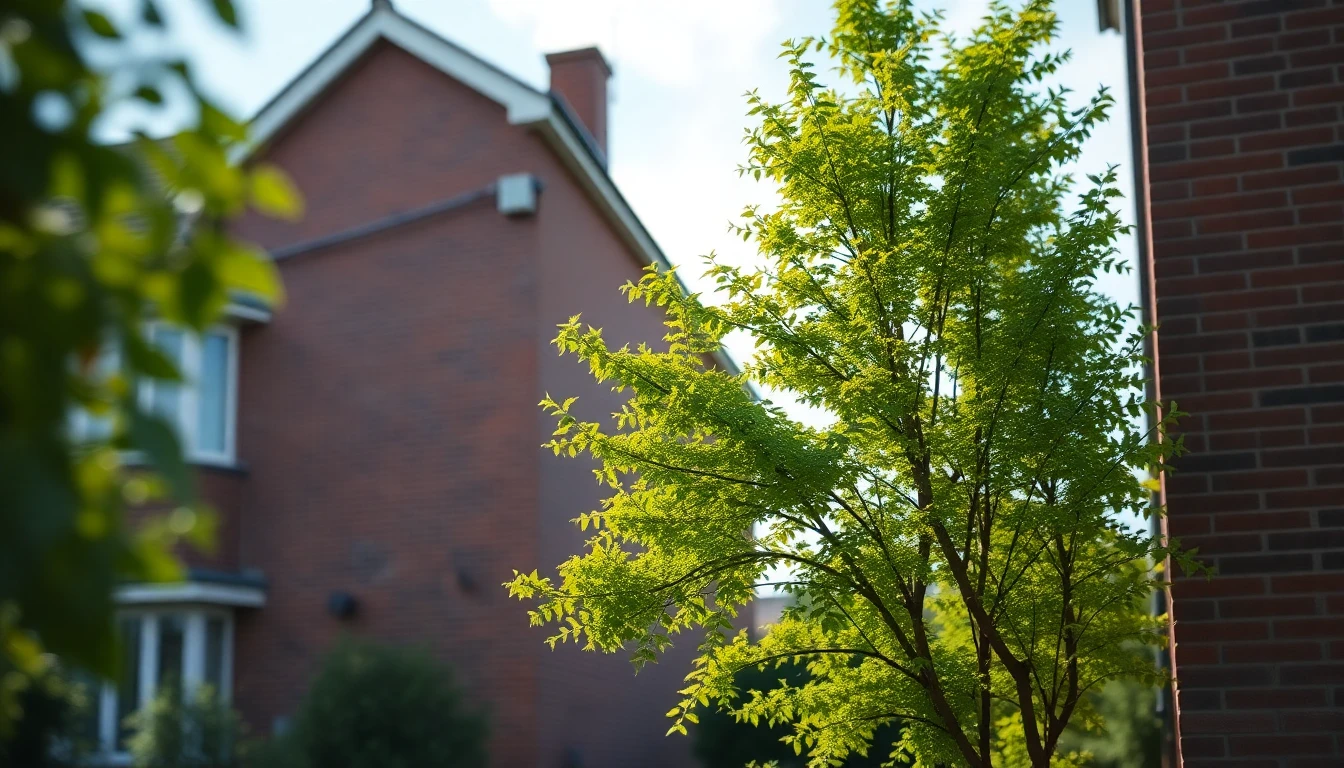
Imagine waking up to a world suddenly dimmer, your sunlight blocked by a friend’s towering tree. What are your options without turning neighborly disputes into legal battles?
We’ve all been there—your morning routine disrupted not by noisy traffic or bad weather, but by the unexpected shadow cast over your home. Perhaps it’s a neighbor’s tree growing just a bit too tall, its branches reaching where they shouldn’t. At first, you might think, “Well, it’s just a tree,” but when it starts affecting your daily life or property value, the question becomes: what can you actually do about it?
Light isn’t just a luxury in our homes; it influences our mood, health, and even the growth of plants inside your house. So, understanding your legal rights—and how to approach this situation—can bring some much-needed relief. The real question is: how do you navigate this without escalating tensions or breaking the law?
Why do neighborly disputes over trees often become complicated?
It’s easy to dismiss a neighbor’s tree as a benign part of their yard, but the moment it starts intruding on your property—casting shadows, dropping leaves, or causing damage—the situation gets tricky. Most people assume that all trees are equally protected, but that’s not the case. Local laws and regulations shape what you can and cannot do.
In many neighborhoods, a tree is considered part of the property, but its branches and roots often extend into neighboring land. This grey area can lead to disputes, especially when the tree’s growth starts interfering with your sunlight or causing damage. No big declaration, no drama—yet it can turn into a frustrating experience if you don’t know your rights.
Plus, there’s the emotional element: trees are often sentimental or seen as part of the neighborhood’s identity. Approaching your neighbor requires tact, but understanding the legal landscape makes the conversation less confrontational. So, what are your options when a tree blocks your light?
The legal landscape: what are your rights regarding neighbor’s trees?
The first step is knowing that laws differ depending on your location—city, state, or country. Generally, you have the right to enjoy your property in peace, which includes adequate sunlight. If a neighbor’s tree blocks that light excessively, you might have grounds to seek a remedy.
In some places, the law recognizes a concept called nuisance, which covers significant interference with your enjoyment of your property. If your neighbor’s tree causes a noticeable reduction in light or airflow, you could potentially take action.
However, most legal systems also consider the rights of the tree owner. Trees are generally protected, and there are restrictions on cutting or removing them without proper procedures. The key is balancing your right to light with the neighbor’s property rights.
Some regions have specific ordinances or guidelines about trees—like height restrictions, distance from property lines, or required pruning standards. Before making a move, it’s wise to check local regulations or consult a legal expert familiar with property law in your area.
What practical steps can you take before resorting to legal action?
Many conflicts can be resolved through simple, respectful communication. Here’s a practical approach:
- Start with a friendly chat: Sometimes, your neighbor isn’t aware of the problem. A polite conversation about the shade and how it’s affecting you can go a long way.
- Propose a solution: Suggest possible remedies like pruning or trimming branches that overhang your property.
- Document the issue: Take photos showing how the tree blocks light at different times of the day. Keep records of any correspondence or conversations.
- Check local regulations: Find out if there are height limits or other restrictions relevant to your situation.
- Engage a mediator: If direct talks stall, a community mediator can help facilitate an agreement.
These steps often prevent misunderstandings and save both parties time and money. Remember, most neighbors prefer to resolve disputes amicably.
But what if diplomacy doesn’t work? Understanding your legal options becomes essential at this point.
When should you consider legal action, and what does it involve?
If your neighbor refuses to cooperate or the tree’s growth causes significant damage or loss of sunlight, legal action may be necessary. This usually involves filing a claim in your local court or tribunal, asserting your right to light and peaceful enjoyment of your property.
Be aware that legal proceedings can be time-consuming and sometimes costly. That’s why gathering evidence—photos, expert reports, and records of communication—is crucial. Consulting with a property lawyer early in the process can clarify your chances of success and the best course of action.
In some cases, courts may order the neighbor to prune the tree or even remove certain parts if it’s causing a nuisance. Alternatively, they might award compensation if you’ve suffered property damage.
However, courts tend to favor solutions that preserve the tree whenever possible, especially if it’s healthy and legal to do so. The goal is often to find a compromise that restores your light without destroying a neighbor’s property rights.
Remember, every case is unique, and local laws heavily influence outcomes. Knowledge of the legal landscape is your best tool to navigate this complex terrain.
Helpful tips for maintaining a good neighborly relationship while protecting your rights
Maintaining good relations can make resolving these disputes much easier. Here are some practical tips:
- Be respectful: Approach your neighbor calmly and avoid accusations. A friendly tone fosters cooperation.
- Offer solutions: Instead of just pointing out the problem, propose practical fixes like trimming or consulting an arborist together.
- Stay informed: Know your local laws and regulations. This shows you’re serious and prepared.
- Use written communication: Follow up conversations with a friendly letter or email summarizing your discussion and agreements.
- Seek mediation: If needed, involve a neutral third party to help find common ground.
- Be patient: Changes take time. Keep lines of communication open and avoid escalating tensions.
Building a cooperative relationship can often lead to better outcomes than legal battles. But if push comes to shove, knowing your rights is essential.