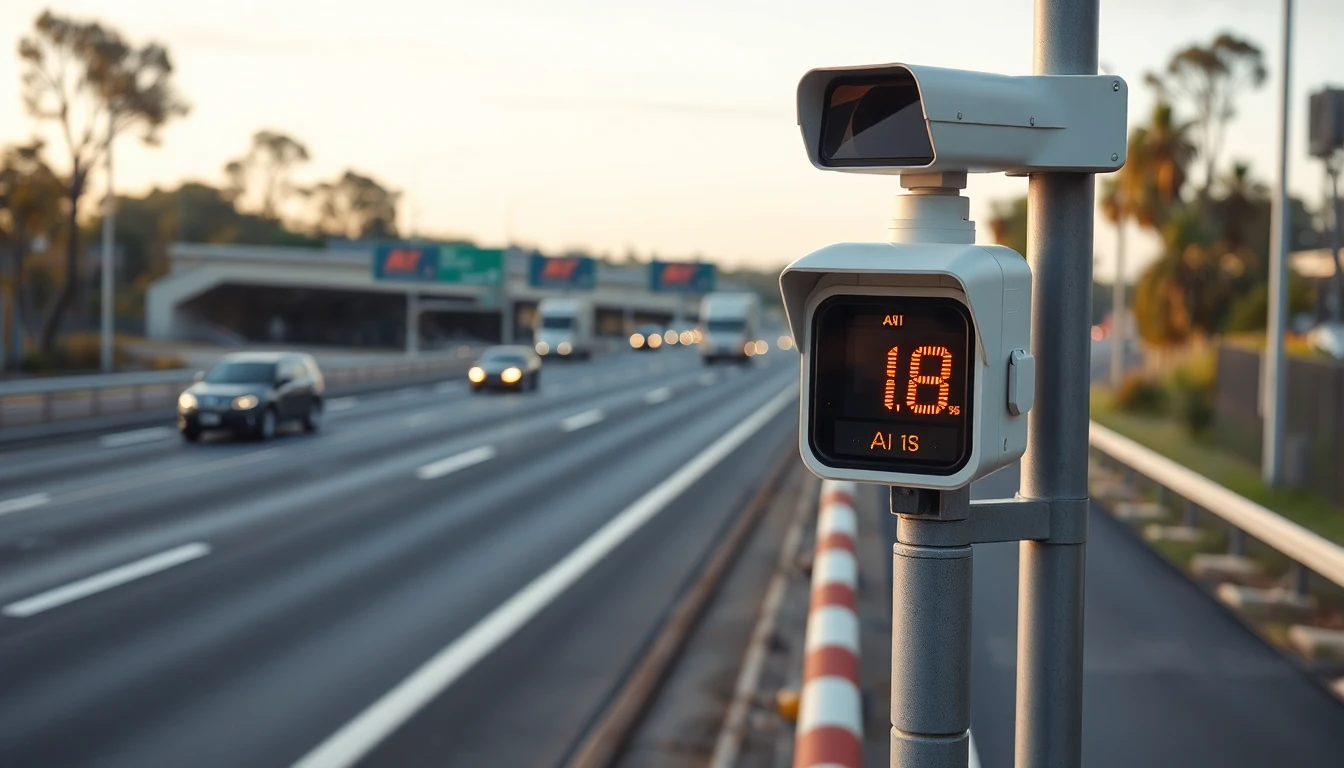
Imagine getting a ticket for speeding, only to find out the camera might have been mistaken. It’s a frustrating reality for many Aussies caught in the crosshairs of AI-powered speed enforcement.
Every day, thousands of drivers in Australia rely on speed cameras to keep roads safe. But what if these high-tech sentinels are making mistakes — accusing innocent people of offenses they didn’t commit? The rise of AI in traffic enforcement promises efficiency and accuracy, yet emerging reports suggest a different story: false positives, wrongful citations, and a troubling blind spot in the system.
In this article, we’ll explore the surprising flaws behind AI speed cameras, why innocent drivers are suffering, and how a simple shift in perspective or approach might actually help you stay clear of wrongful tickets. The good news? Understanding the problem can lead to practical solutions — and peace of mind for Aussie drivers.
What’s really happening with AI speed cameras in Australia?
For years, traffic authorities have touted AI-powered cameras as a breakthrough in road safety. Unlike traditional devices that rely solely on radar or manual operation, AI cameras analyze multiple data points—vehicle shape, movement patterns, and even license plate recognition—to determine if a vehicle is speeding. The goal? More accurate enforcement and fewer false alarms.
However, reports have surfaced revealing that these systems aren’t infallible. In some cases, innocent drivers have received speeding tickets based on flawed AI judgments. The problem isn’t necessarily deliberate, but rather a confluence of technological limitations, environmental factors, and sometimes, insufficient oversight.
What’s more surprising is that many drivers aren’t even aware that their alleged offenses might be false until they receive the notification. This can lead to legal disputes, financial stress, and frustration — especially when the evidence is based on AI’s sometimes imperfect analysis.
Why do wrongful tickets happen? The science behind AI mistakes
To understand how innocent drivers are caught, we need to peek behind the digital curtain. AI speed cameras utilize machine learning algorithms trained on large datasets to recognize vehicles and assess their speed. But these algorithms can struggle in certain conditions:
- Environmental factors: Poor lighting, shadows, or weather conditions like rain or fog can distort camera images, confusing AI systems.
- Vehicle shape and size: Large trucks, motorcycles, or even unusual vehicle modifications can be misinterpreted as speeding or misclassified.
- Camera placement and calibration: Slight misalignment or outdated calibration can lead to inaccurate readings.
- Data limitations: AI models are only as good as their training data. If certain vehicle types or scenarios aren’t well-represented, errors are more likely.
Additionally, some systems rely on image analysis that isn’t as precise as a human eye. When the AI misreads a car’s speed or confuses a stationary object with a moving vehicle, wrongful tickets can be issued.
Can a simple change protect you from wrongful tickets?
It might sound too straightforward, but small adjustments in your driving or awareness can make a significant difference. For instance, maintaining a consistent speed and avoiding sudden braking or acceleration can reduce the chances of AI misinterpretation. Also, being aware of where cameras are placed can help you stay within legal limits — or at least be prepared if you’re near a notorious spot.
Another practical tip is documenting your vehicle’s condition and surroundings, especially if you suspect a camera might have misread you. Cellphone photos or dashcam footage can serve as evidence if you need to contest a wrongful ticket later.
But the real game-changer? Staying informed about the technology and understanding that these systems aren’t perfect. That way, you’re less likely to feel helpless or unfairly punished, and more empowered to navigate the system smartly.
➡️
➡️ Aussie Retail Chain to Close All Stores After 27 Years
➡️
➡️
➡️ Psychologists Say Parents Who Can’t Stop Helping Adult Children Aren’t Being Loving
➡️
➡️
➡️ Subtle signs you have a deep soul connection with someone according to psychology
➡️
➡️ Scientists uncover surprising link between Aussie breakfast habit and heart health
What can you do if you’ve been wrongly accused? Steps to challenge a wrongful ticket
First, receive the notice calmly. It’s frustrating, no doubt — but your next move can make all the difference. Gather any evidence that supports your case: dashcam footage, photos, or witness statements. Then, review the AI’s data and see if errors like misreading your speed or misidentifying your vehicle are documented.
Many jurisdictions now offer a formal appeal process. Submit your evidence, and don’t hesitate to request a manual review — sometimes, human judgment can override an errant AI decision. If you feel the system was unfair or biased, consider reaching out to local authorities or consumer advocacy groups for support.
And remember: staying polite and factual throughout the process improves your chances of a favorable outcome. The system isn’t perfect, but it’s also not set in stone. With patience and persistence, you can protect yourself from wrongful accusations.
Is AI speed enforcement here to stay — or is there hope for improvement?
AI technology has incredible potential to improve traffic safety, but the current flaws suggest we need caution. Researchers and policymakers are actively working to improve accuracy, reduce errors, and incorporate human oversight. Future updates might include better calibration, smarter algorithms, and more transparent review processes.
As a driver, staying informed and proactive is your best defense. Support calls for accountability and fairness in automated enforcement, and advocate for systems that prioritize accuracy over speed. The goal isn’t to eliminate AI entirely but to refine it to serve everyone better.
So, while AI speed cameras aren’t perfect — and may never be — understanding their limitations gives you an edge. Small changes in behavior, awareness, and advocacy can help you navigate this brave new world of automated traffic policing with less stress and more confidence.
Reflecting on the future of AI in traffic safety
The rise of AI in everyday life is inevitable, but lessons from current mistakes urge us to proceed carefully. Transparency, fairness, and accountability should be the pillars of any technological adoption — especially when it affects our mobility and rights.
Perhaps the most important takeaway is this: technology is a tool, not a judge. The human element remains crucial in ensuring justice and accuracy. As drivers, we must stay vigilant, informed, and engaged in shaping a system that works for us all, not against us.
In the end, the goal isn’t just to avoid wrongful tickets but to foster a future where technology genuinely enhances safety without infringing on our rights.
| Key Point | Detail | Benefit/Interest for Reader |
|---|---|---|
| AI mistakes happen | Environmental factors, calibration, data limitations | Awareness helps you prevent wrongful tickets |
| Small behavior changes matter | Maintain consistent speed, document surroundings | Reduce chances of misinterpretation |
| Legal options exist | Appeals, evidence submission, human review | Empowerment and control over wrongful citations |
FAQ :
- Can I contest a speeding ticket based on AI error?Yes, gather evidence like dashcam footage and request a manual review or appeal through local authorities.
- Are AI speed cameras more accurate than humans?They can be, but current limitations mean errors still occur, especially in challenging environmental conditions.
- What should I do if I receive a wrongful ticket?Remain calm, gather evidence, and follow the appeal process. Patience and persistence are key.
- Will AI enforcement improve over time?Researchers are actively working to enhance accuracy and fairness, but vigilance remains essential for drivers.