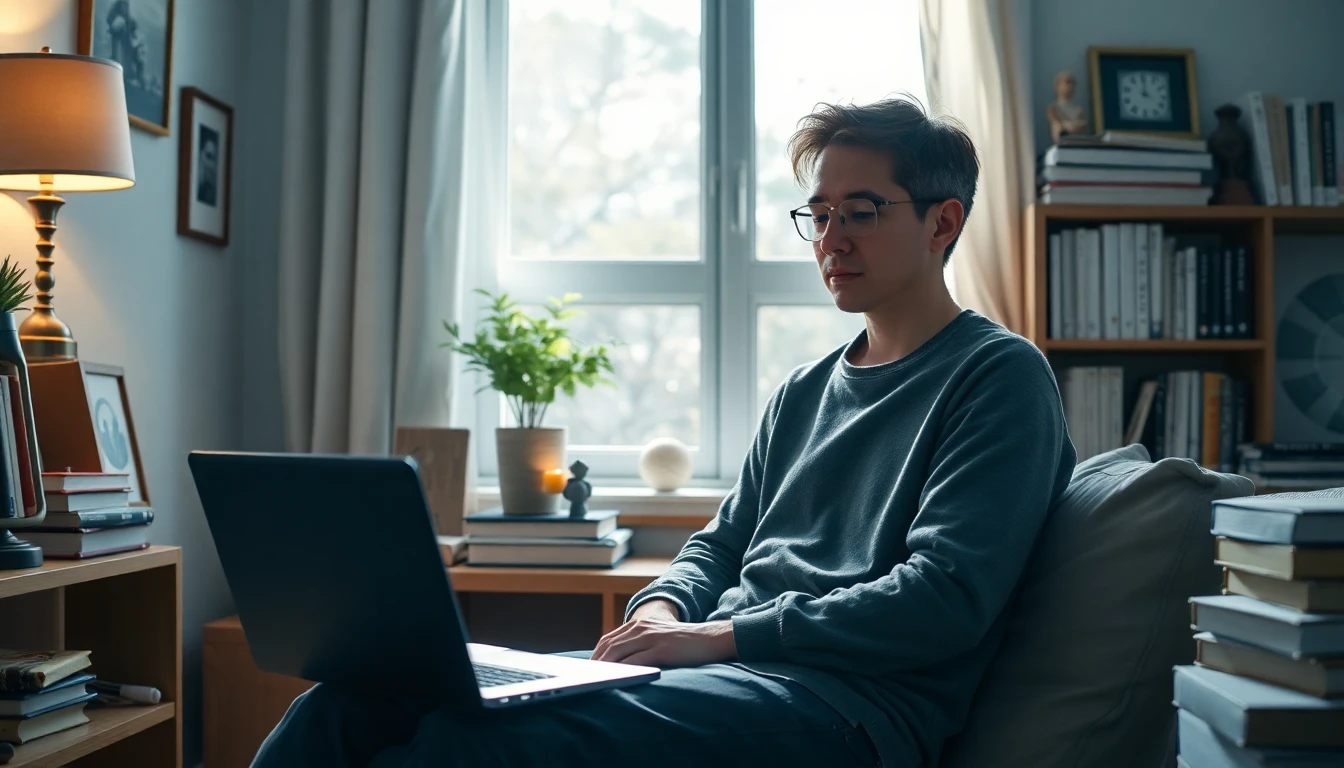
They seem to disappear from your feeds, yet behind the scenes, they often hold a surprising set of traits. Discover what makes these privacy-preferring individuals tick—and why it’s more common than you think.
Why do some people choose silence over social sharing?
Imagine scrolling through your social media feed, endlessly bombarded with updates, selfies, and travel snapshots. Now, think of that one friend—or perhaps, that quiet acquaintance—who simply never posts. They’re often just as present in your life, but their digital footprint is minimal. That choice to stay out of the limelight isn’t accidental; it’s rooted in deeper psychological traits and preferences.
For many, social media is a double-edged sword. It offers connection but also exposes vulnerabilities, invites judgment, and demands constant self-promotion. Some people, consciously or unconsciously, prefer to preserve their privacy, and this decision reveals a fascinating set of characteristics that shape their behavior both online and offline. So, what are these traits, and why do they matter?
The answer isn’t just about shyness or introversion—it’s about a complex combination of personality, values, and emotional needs. Understanding these traits can not only demystify the silent types but also provide insight into how we all navigate the digital age differently.
The 7 Traits of People Who Avoid Posting on Social Media
1. They value privacy above all
These individuals often see privacy as a core value. They prefer to keep details of their lives personal, believing that some things are meant to stay private. They might share moments with close friends or family but see social media as an invasion of that sacred space.
It’s not necessarily about distrust of others but more about a desire to control their personal narrative. They might feel that once something is online, it’s forever—raising concerns about digital footprints and future repercussions.
2. They are highly introspective
People who avoid posting tend to be introspective, spending considerable time reflecting on their thoughts and feelings. This inward focus makes public sharing less appealing. They often prefer solitude or meaningful conversations over superficial interactions online.
In fact, many of them find social media draining, as it pulls them into a constant cycle of comparison, validation, and superficiality that conflicts with their inner world.
3. They are selective about their social circles
Instead of a broad online network, these individuals cultivate a few close relationships. They prefer depth over breadth. They might have a handful of trusted friends or family members with whom they share their lives intimately, but they keep the rest of the digital world at arm’s length.
This selectiveness often stems from a desire for authenticity and meaningful connection, not the fear of missing out (FOMO). They’re content with real-life interactions rather than curated online personas.
4. They tend to be cautious and risk-averse
Risk mitigation is a common trait. They’re wary of sharing too much because they understand the potential consequences—cyberbullying, identity theft, or misinterpretation. This cautious nature makes them more comfortable observing than participating actively online.
In a digital landscape where everything can be misunderstood or weaponized, their restraint is a form of self-protection—and a reflection of their vigilant mindset.
5. They value authenticity and simplicity
These individuals often avoid the performative aspect of social media. They dislike the pressure to craft perfect posts or maintain an idealized image. Instead, they seek authenticity and simplicity, preferring real-life experiences to staged online content.
This trait aligns with their broader life philosophy—prioritizing genuine relationships and experiences over virtual likes and comments.
6. They are often emotionally self-sufficient
People who stay private tend to be emotionally self-sufficient, not relying on social media for validation or self-esteem boosts. They derive confidence from within, rather than external approval.
As a result, they’re less likely to seek out constant affirmation through likes or comments. Their sense of worth is grounded in their personal values and offline relationships.
7. They have a strong sense of boundaries
Boundaries are a defining trait. They know where to draw the line between public and private, and they’re skilled at maintaining those limits. This often means keeping certain aspects of their lives offline altogether.
This boundary-setting isn’t about fear or avoidance but about protecting their mental health and integrity in a world that often blurs the line between personal and public life.
Are these traits inherently negative or positive?
It’s tempting to see these traits as signs of social withdrawal or introversion gone to extremes, but that’s not the whole story. Many of these individuals thrive in offline environments and lead fulfilling lives. Their approach to privacy is a deliberate choice, not a flaw or a flaw in their personality.
In fact, some studies suggest that maintaining control over one’s digital footprint and social boundaries can lead to better mental health and resilience. The key is balance—knowing when and how to share without feeling pressured or vulnerable.
How understanding these traits can help us all
Recognizing that not everyone wants to broadcast their lives on social media can foster empathy and reduce judgment. If you’re someone who posts constantly, understanding that others are more reserved isn’t about moral superiority; it’s about respecting different comfort levels and values.
Moreover, cultivating awareness of these traits can help you reflect on your own online habits. Are you sharing because you genuinely want to, or because you feel you have to? Sometimes, a small shift—like setting boundaries or reassessing your motivations—can make a significant difference in your digital well-being.
The practical bright side: embracing your privacy
There’s no one-size-fits-all approach to social media. If you’re naturally private, embrace it. Use your strengths—depth, authenticity, and boundaries—to navigate online spaces in a way that feels right for you. Remember, meaningful connections aren’t measured by followers or likes but by quality and sincerity.
And for those struggling with the pressure to share, know that it’s perfectly okay to step back. Your digital footprint doesn’t define your worth or your happiness.
“Understanding your own comfort level with privacy can lead to healthier digital habits and a more authentic life,” explains Dr. Lisa Matthews, a psychologist specializing in digital well-being.
Key takeaways
- Privacy-minded individuals value control over their personal information. They tend to be cautious and selective about what they share.
- They are often highly introspective and prefer meaningful relationships. Their online silence reflects a desire for authenticity.
- Setting boundaries is essential for their mental health. They know how to protect their emotional space.
- Understanding these traits fosters empathy. Not everyone’s social media habits are about shyness or avoidance—sometimes, they’re about self-preservation.
- Small adjustments in how you approach sharing can boost your well-being. Reflect on your motivations and boundaries regularly.
Reflecting on digital privacy in a connected world
In a culture obsessed with visibility and validation, choosing privacy isn’t just a preference—it’s a statement. It signals a respect for oneself and a desire for genuine, offline fulfillment. While social media offers endless opportunities for connection, it also demands a level of vulnerability that not everyone is prepared or willing to give.
Understanding the traits of those who prefer to stay hidden doesn’t just make us more empathetic; it reminds us that true contentment often lies beyond the screen, in the quiet corners of real life.
| Key Point | Detail | Benefit/Interest for Reader |
|---|---|---|
| Value of privacy | They prioritize control over personal information | Encourages healthier boundaries |
| Introspection | They reflect deeply before sharing | Fosters authenticity |
| Selective sharing | They choose close circles over broad networks | Builds genuine relationships |
| Boundary setting | They maintain limits to protect mental health | Enhances emotional resilience |
| Self-sufficiency | They rely on internal validation | Boosts confidence outside of social validation |
FAQ :
- Are people who don’t post on social media necessarily shy? Not necessarily. Many are simply private by nature and prefer meaningful offline interactions over online exposure.
- Can avoiding social media be healthy? Absolutely. It often promotes better mental health by reducing comparison, FOMO, and digital overload.
- Is it possible to become more comfortable sharing online? Yes. Small, intentional steps towards sharing can gradually build confidence, but it’s important to stay true to your comfort level.
- What are the risks of being completely private? Missing out on social opportunities and community connections, but that’s a personal choice.
- How can I respect my privacy while staying connected? Clearly define your boundaries, share selectively, and prioritize quality over quantity in your interactions.